How to Market Your App in Korea with UGC Creators (2026)
A practical guide for app teams entering the Korean market: which accounts to post on, short-form formats that show your app in use, weekly posting targets and testing, and how to measure results.
Key takeaways
- Show one real task in each video. Start with a feature demo, a before-and-after, or a routine that shows where your app fits.
- Decide where creators will post before you recruit. Choose a brand-owned account, a creator's existing account, or a dedicated campaign account, and agree on who will manage it.
- Set a posting target and review results weekly. Compare views and clicks, then use attributed installs and sign-ups where tracking is available.
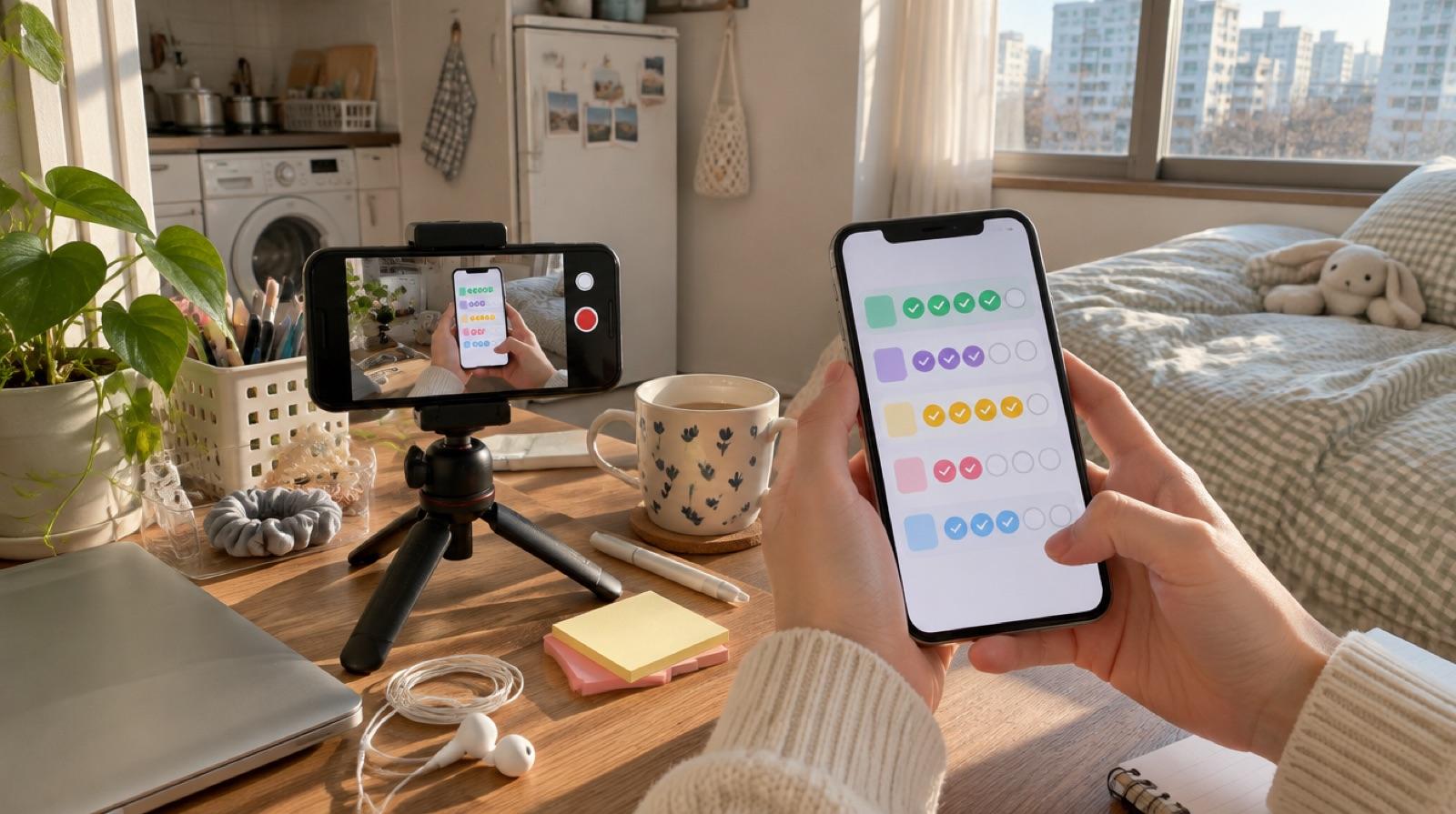
UGC is still new in Korea, but it works well for apps once creators know what to film. Give creators one task to show on screen, such as planning a study session or setting a daily habit.
This guide covers how we set up app UGC programs in Korea: which accounts to post on, which formats to film, how much to post, and how to measure results. For recruiting and training creators, see our guide to UGC in Korea.
Decide where creators will post
| Brand-owned account | Creator's existing account | Dedicated campaign account | |
|---|---|---|---|
| Who owns it | The brand. We can set it up and manage it. | The creator | Agreed before launch: the brand or the creator |
| Audience at the start | Starts from zero | The creator's existing followers | Starts from zero |
| Control over the feed | High: consistent look, topics, and links | Lower: mixed with the creator's other posts | Medium: one creator, one campaign theme |
| After the program | The brand retains control of the account. Content reuse follows the agreed usage rights. | Posts stay up for the period agreed in the contract | Handled as agreed before launch |
You can test different content themes across dedicated accounts, such as study routines and productivity tips. Before launch, agree on who will own and manage each account, and how each one will handle ad disclosure (see Ad disclosure in Korea).
Formats that show your app in use
| Format | What it looks like |
|---|---|
| Feature demo | Show one feature in 10–15 seconds using a screen recording or a hands-only shot. |
| Before and after | The task done the old way, then with the app. |
| Routine | Show how the app fits into a daily routine, such as studying for an exam or planning the day. |
| Reaction | The creator reacting to a result the app produced. |
| Talking head | The creator explaining one reason they use the app, face to camera. |
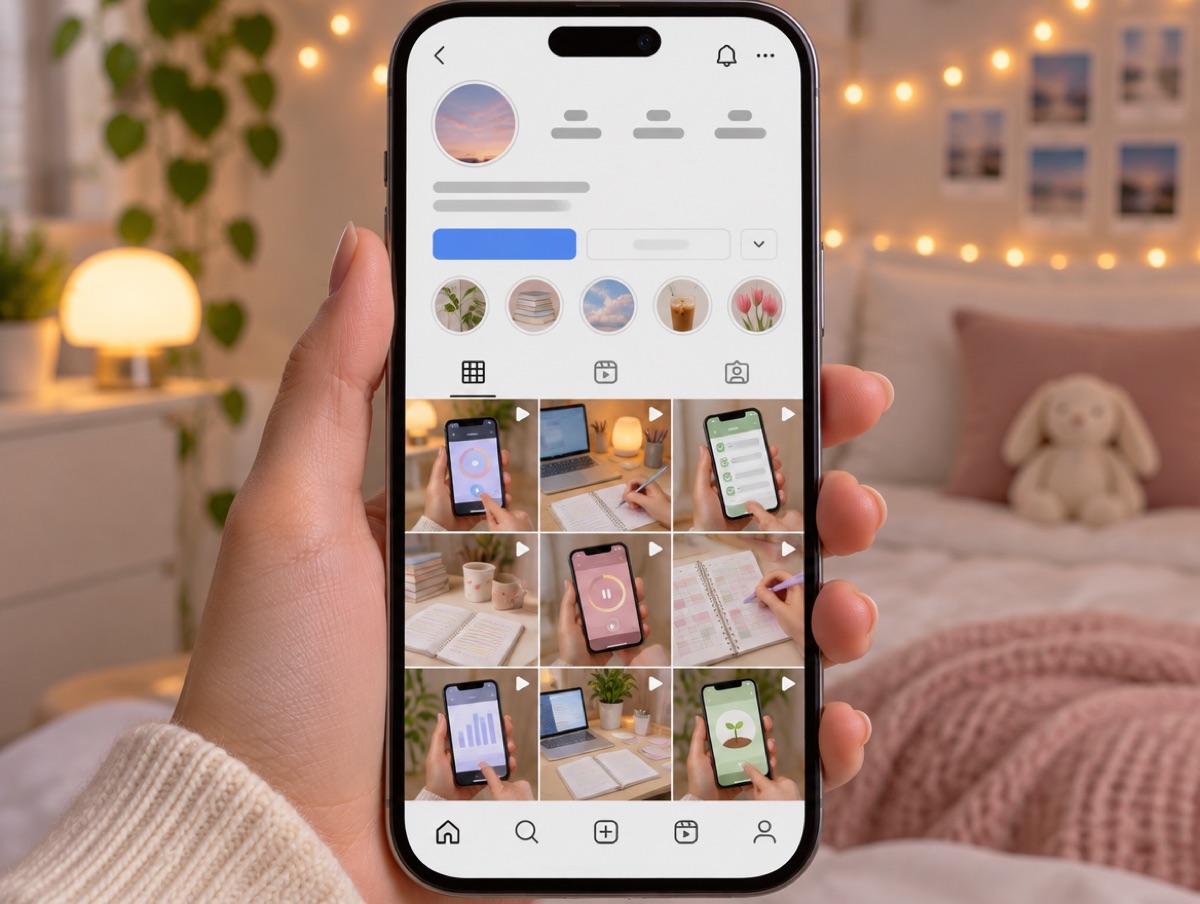
Hands-only and screen-recording formats let creators who don't want to show their face take part. Test a few formats in the first two weeks to see which ones viewers respond to.
Posting targets and weekly testing
- Set a weekly target per creator. For example, five creators posting five videos a week would produce 100 videos over four weeks.
- Test one change at a time. Review results weekly and change the hook, the format, or the call to action, not all three.
- Update the brief every week with the hooks and formats that performed best.
- Platforms. In Korea, Instagram Reels and YouTube Shorts are still the main short-form platforms, so we start there. TikTok can be added if you want.
Measure more than views
Use video views to compare reach across posts. Review profile visits and link clicks to see whether viewers take the next step. Where your tracking supports it, report attributed installs and sign-ups by account or creator.
- A tracking link per account or per creator, placed in the bio.
- A promo or referral code per creator, if your app supports it.
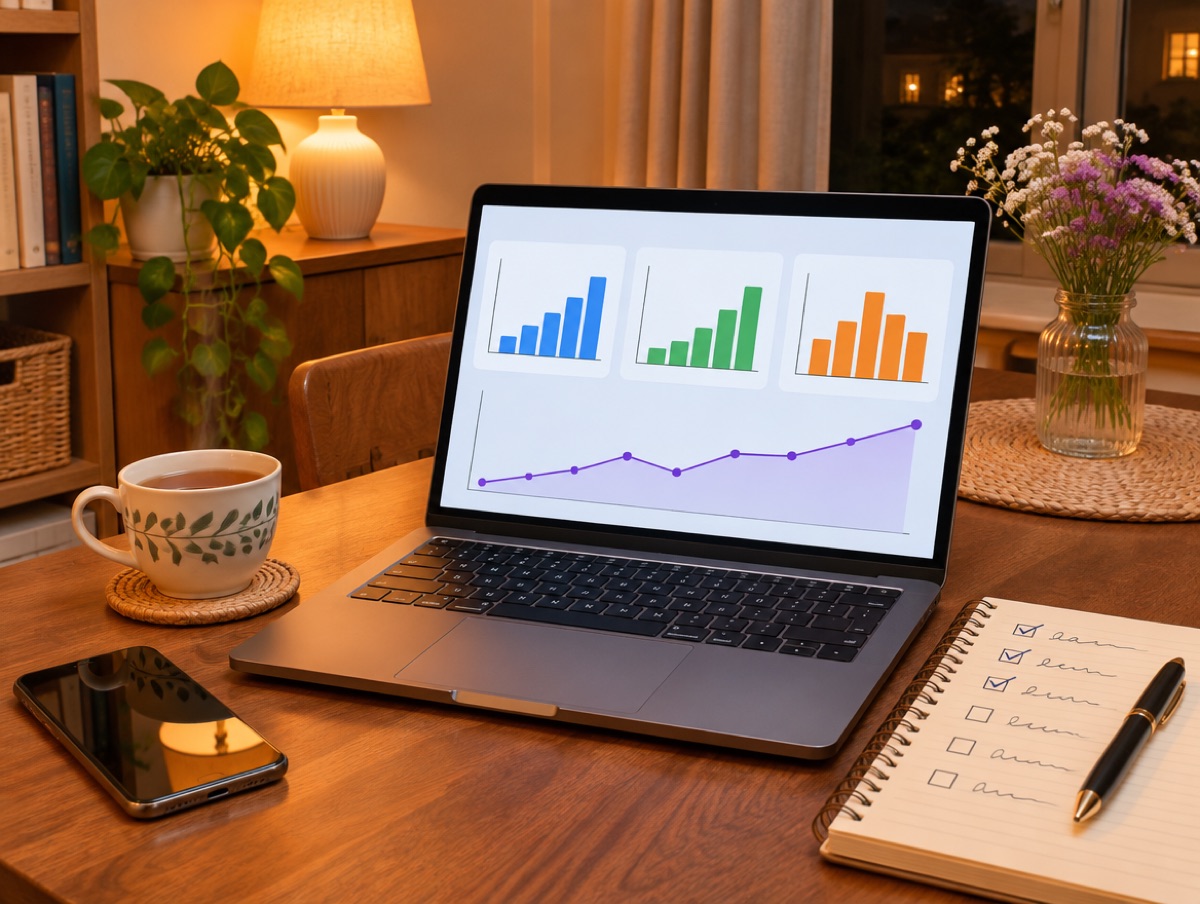
- A weekly report that puts views, clicks, and, where available, installs side by side.
One link shared by many videos tells you which account or creator drove installs, but not which single video did. Compare videos by views and engagement, and accounts by clicks and installs.
What your team needs to prepare
- A Korean app experience. Make sure users can complete onboarding and try the featured workflows in Korean.
- Creator access. Premium or test accounts, so creators can show paid features.
- Key messages. Three to five points you want viewers to remember, and anything creators must not say.
- Usage rights. Whether you want to run the videos as paid ads, and for how long.
- Tracking links and codes, ready before the first post.
Pilot timeline
| Week | What happens |
|---|---|
| Before launch (2–3 weeks) | Recruitment, screening with a sample video, contracts, account setup, onboarding training |
| Week 1 | First posts. Check new posts daily. First weekly training |
| Week 2 | First weekly report. Brief updated with the best-performing hooks |
| Weeks 3–4 | Focus on the formats that performed best against your campaign goals. Decide what to scale in month two |
For a small pilot, allow roughly two to three weeks from the start of recruitment to the first posts.
FAQ
Can I run UGC for my app in Korea?
Yes. UGC is still new to many Korean creators, so we recruit through a familiar ambassador-style format and train creators on the formats your app needs.
Should we post on brand-owned accounts or creators' accounts?
It depends on your goal. Brand-owned accounts give you control of the feed and the account. Creators' accounts bring existing reach. Dedicated campaign accounts sit in between. Many apps use more than one.
How many videos should an app post?
Set a weekly target per creator. For example, five creators posting five videos a week would produce 100 videos over four weeks.
Which platforms should an app use in Korea?
Instagram Reels and YouTube Shorts are still the main short-form platforms in Korea, so we start there. TikTok can be added if you want.
Does the app need to be in Korean?
Users should be able to complete onboarding and try the featured workflows in Korean, so viewers can follow the video and try the app themselves.
Sources
- FAVO program planning for app UGC in Korea